Retail is entering a new phase, where digital, physical and cultural dimensions blend seamlessly into one another. This shift marks not a simple evolution, but a profound and necessary transformation of the entire retail ecosystem.
In this context, physical retail is regaining relevance — not as a nostalgic return to the past, but as a testing ground for the future. The real challenge is no longer to “bring people back into stores”, but to redefine what a retail space can and should represent in a post-digital society.
This report outlines seven trends set to shape retail in 2026. Each one offers a different lens through which to read retail as a space of cultural, human and technological experimentation: where product and service merge, where care becomes part of the aesthetic, where unpredictability turns into a form of luxury, and where the human dimension re-emerges as the true point of differentiation.
1 • From Transaction to Relationship
Stores as Service Hubs
Retail is evolving into an expanded ecosystem of solutions. When products can be bought anywhere, competitive advantage no longer lies in what is sold, but in what is enabled: maintenance, care, advice, personalisation, support and continuity over time.
Value is no longer concentrated in the moment of purchase. It shifts to what comes after: repairing, upgrading, customising, diagnosing, teaching, guiding. Retail enters the age of accompaniment, replacing isolated conversion with an ongoing relationship.
To watch:
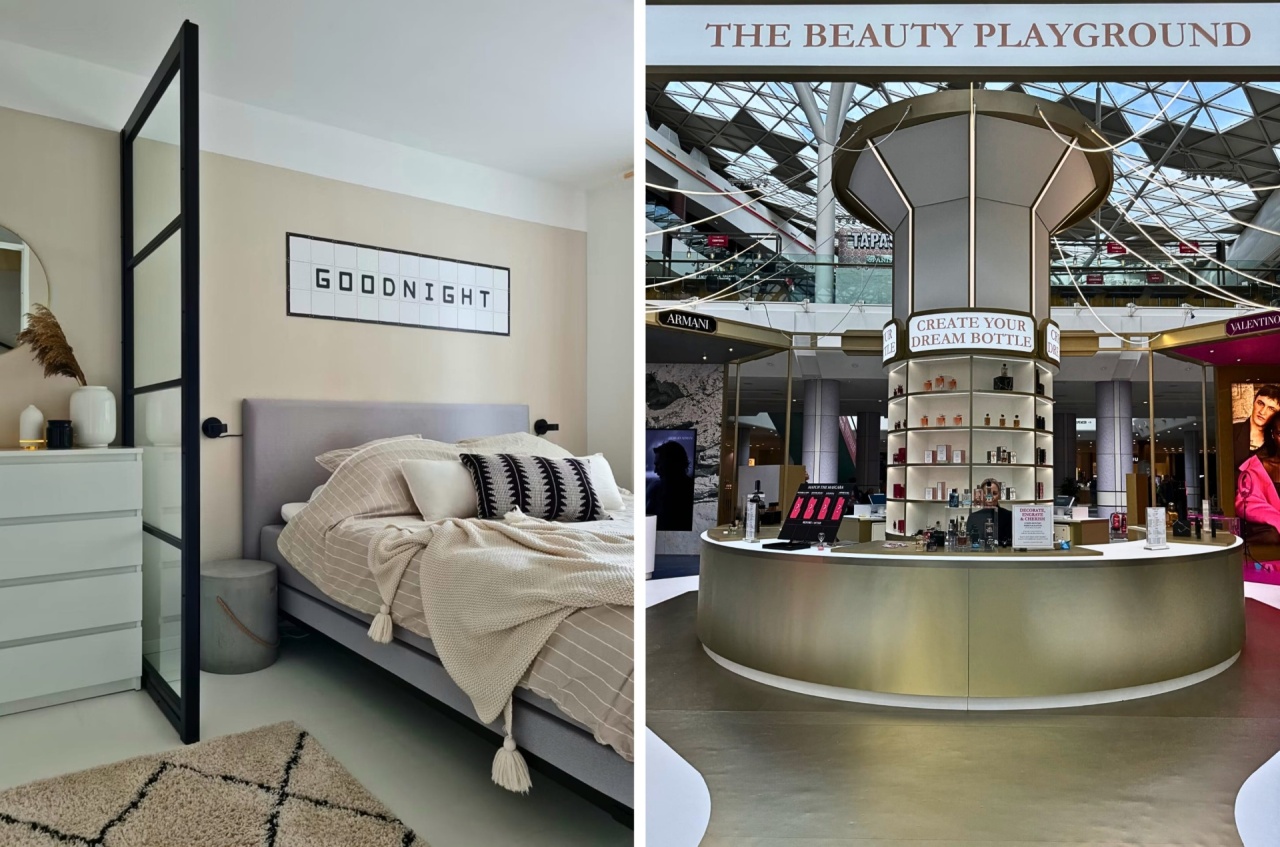
John Lewis & Partners offers Sleep Appointments, personalised consultations designed to improve customers’ quality of sleep. L’Oréal Luxe launched the Beauty Playground pop-up at Westfield London, creating immersive environments where customers can explore, test and receive expert guidance before buying.
How to play:
- Make post-purchase services central, not peripheral
- Design atelier-style spaces for repair and personalisation
- Reframe the store as a solutions centre, not a display space
2 • Cultural Interfaces
The Renaissance of the Physical Store
After a decade dominated by digital convenience and predictability, physical stores are re-emerging as places where identity is actively experienced. Consumers want to feel, in physical presence, what a brand truly stands for in the world.
Stores move beyond spectacle to become cultural ecosystems, where belonging, narrative and aesthetics take shape through materiality. From visual to relational, from performance to participation, from the “Instagrammable” to symbolic experience.
To watch:
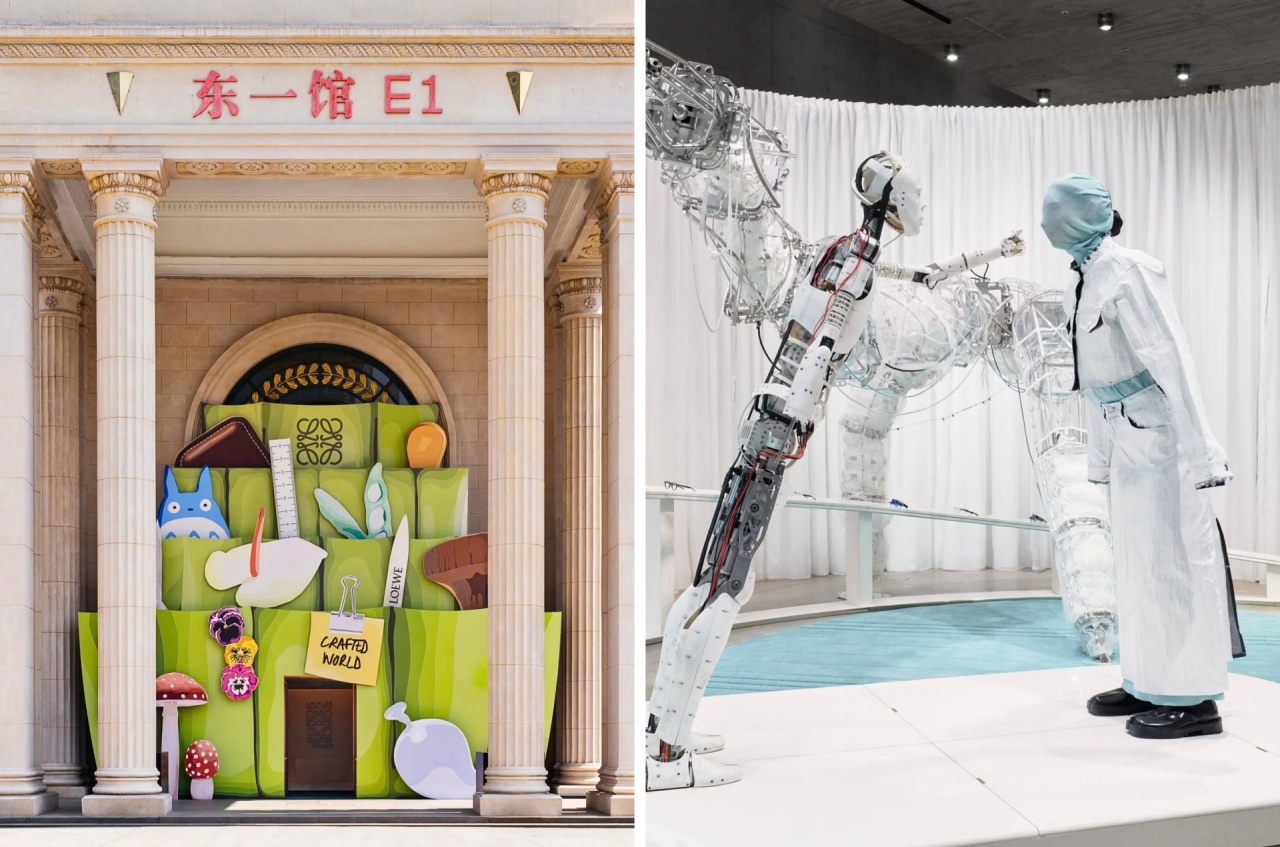
Loewe’s hybrid exhibition-store Crafted World in Tokyo blends art, craftsmanship and retail, turning brand heritage into a cultural event. Gentle Monster’s Haus Nowhere Seoul spans five floors of surreal, immersive art spaces, including the Nudake Teahouse.
How to play:
- Turn the store into a cultural meeting point
- Create living programmes: curations, micro-events, evolving timelines
- Use materiality as a narrative language
3 • Inclusive Aesthetics
Empathy as Design and Care
Design becomes a tangible form of care. As awareness grows around different bodies, rhythms and neurodiversities, retail faces a critical question: who are we designing for — and who has been left out so far?
Inclusion becomes the emotional infrastructure of physical space. This new aesthetic is not about making everything the same, but about offering dignity of presence: intuitive signage, welcoming materials, non-fatiguing layouts. In 2026, a space is beautiful when it is kind — when it supports without demanding performance.
To watch:
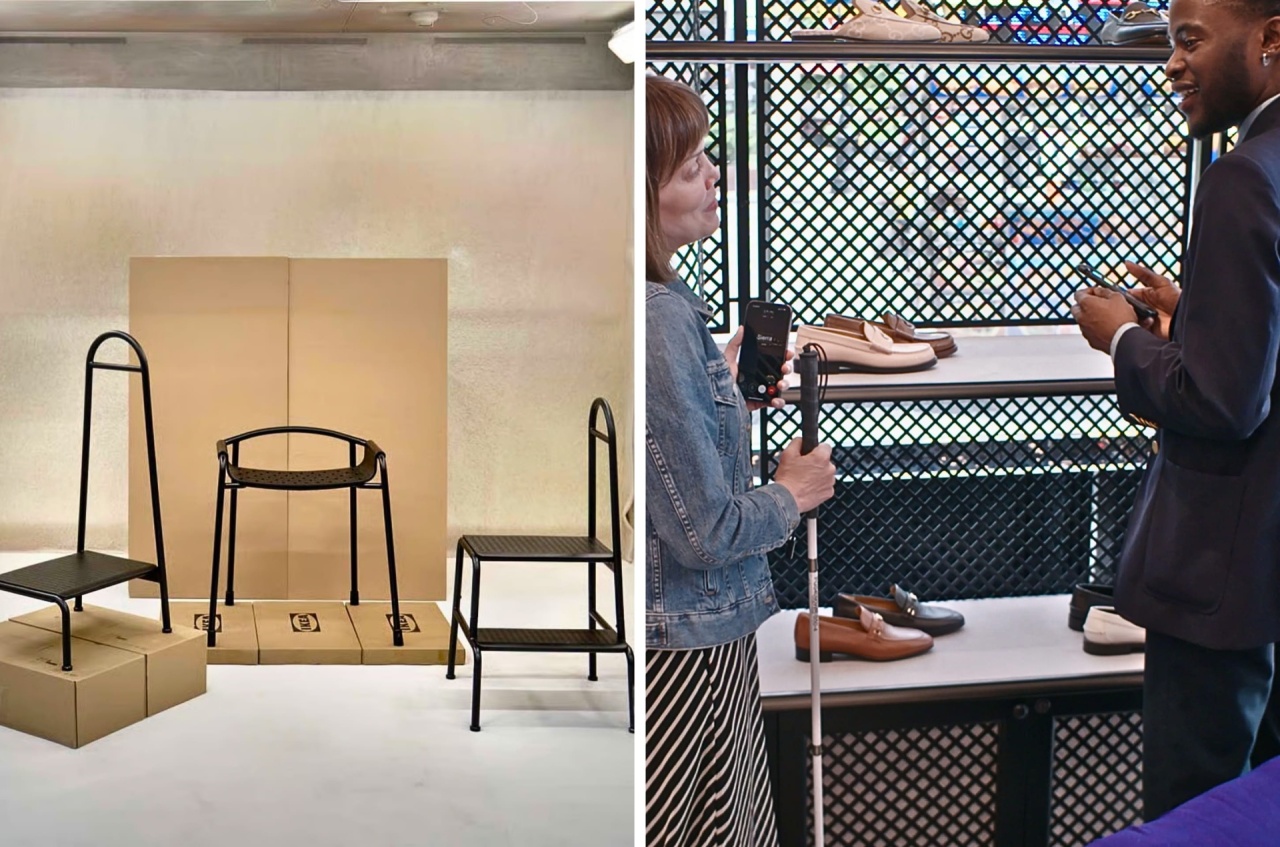
IKEA’s BÄSINGEN collection is an inclusive design line created to support everyday activities for everyone, combining functionality with discreet aesthetics. Gucci expanded its partnership with Aira, a real-time visual interpretation service supporting blind and low-vision customers in-store.
How to play:
- Design for diverse realities, not the “ideal” user
- Create low-stimulation zones within stores
- Treat inclusion as functional beauty
4 • The Architecture of Circularity
The New Repair Economy
Sustainability becomes operational architecture. Consumers want proof of circularity, not just green narratives. The focus shifts from the “sustainable product” to the entire lifecycle: what happens before, during and after use.
Repair moves from exception to core offering. Maintaining, refurbishing, reselling and upgrading become new indicators of value. Prestige lies in longevity, not constant replacement.
To watch:
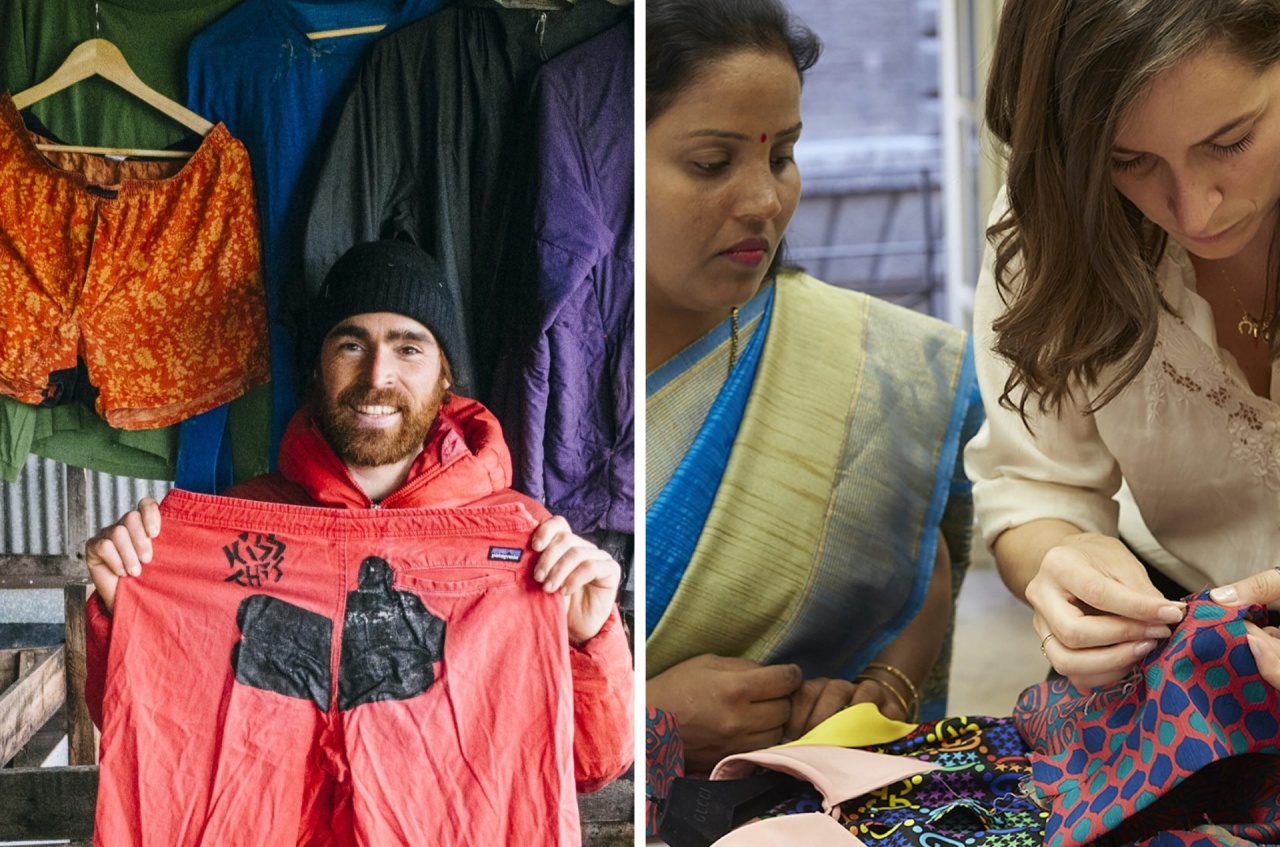
Patagonia’s Worn Wear programme actively encourages repair, offering free services and dedicated reuse pop-ups. Gucci has integrated circularity into its strategy through luxury repair services and an internal upcycling programme.
How to play:
- Offer repair as a permanent service
- Make product reversibility visible
- Measure success in lifecycles, not sales volume
5 • The Luxury of the Unexpected
Sensory Discovery Beyond the Algorithm
After years of algorithm-driven consumption, desire shifts towards the unexpected. Consumers rediscover the pleasure of chance: unmediated encounters, unscripted surprises, the emotion of imperfection.
In a world obsessed with efficiency, the new luxury is intentional time — wandering without purpose. The physical store becomes a territory of discovery, a place where algorithms stop and curiosity leads.
To watch:
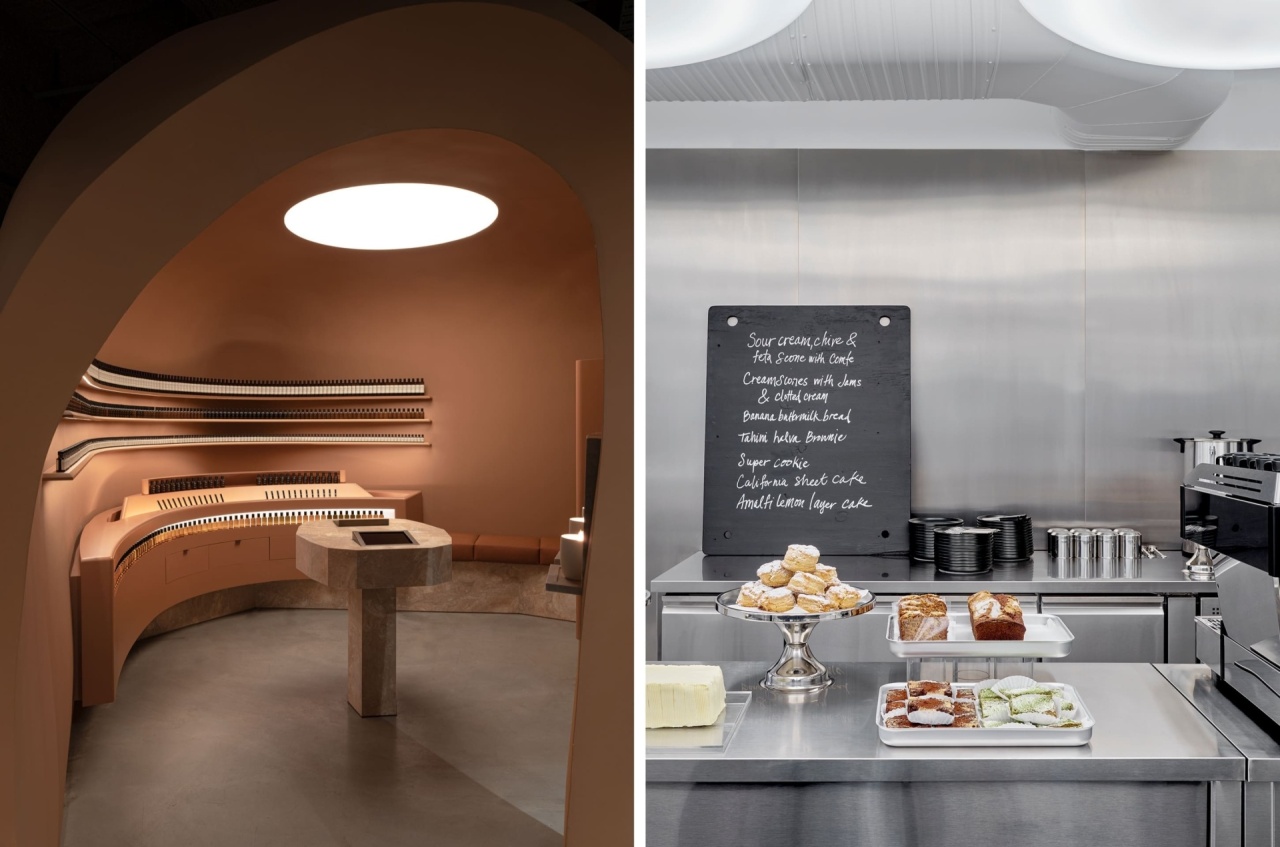
Aesop’s new Sensorium stores feature intimate spaces dedicated to olfactory exploration, encouraging visitors to slow down and linger. Alaïa’s boutique on New Bond Street, London, includes a quiet café and a curated bookshop on the second floor.
How to play:
- Create zones for unguided exploration
- Introduce ephemeral, ever-changing curations
- Use randomness as an engagement strategy
6 • Predictive Service
Ultra-Connected Experiences Powered by AI
Artificial intelligence becomes the invisible engine of retail experience: context-aware recommendations, predictive interactions and digital assistants bridging online and offline, anticipating needs with emotional precision.
Ultra-connected retail does not replace human interaction — it enhances empathy and efficiency. Intelligent environments recognise patterns, adjusting light, sound and scent to visitors’ moods. The store becomes an adaptive organism.
To watch:
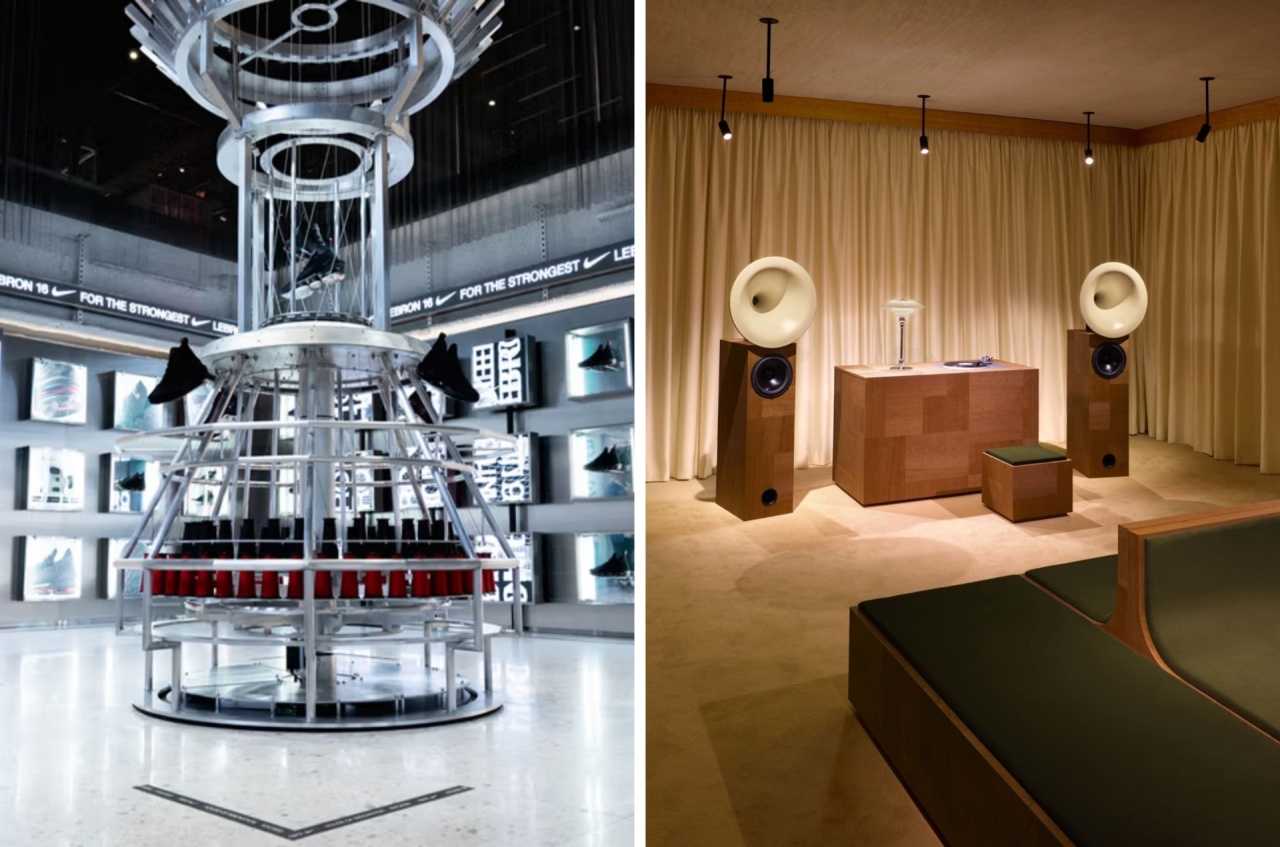
Nike’s House of Innovation stores use AI and data to deliver advanced in-store personalisation with real-time recommendations. Valentino’s Atelier Sonore in New York is an immersive listening room using sound to build emotional connection.
How to play:
- Use AI to create fluidity, not complexity
- Integrate emotional and contextual data into physical experiences
- Humanise automation with purpose and empathy
7 • Store Sapiens
The Return of the Authentic Human
The more technology advances, the more irreplaceable the human element becomes. In 2026, competitive advantage will depend on the ability to deliver authentically human experiences — those rooted in intuition, improvisation and genuine emotion.
In a world mediated by chatbots and virtual assistants, real human contact becomes a luxury. Hospitality, active listening and spontaneous gestures gain symbolic and economic value. The future of retail is hybrid: machines optimise, humans enchant.
To watch:
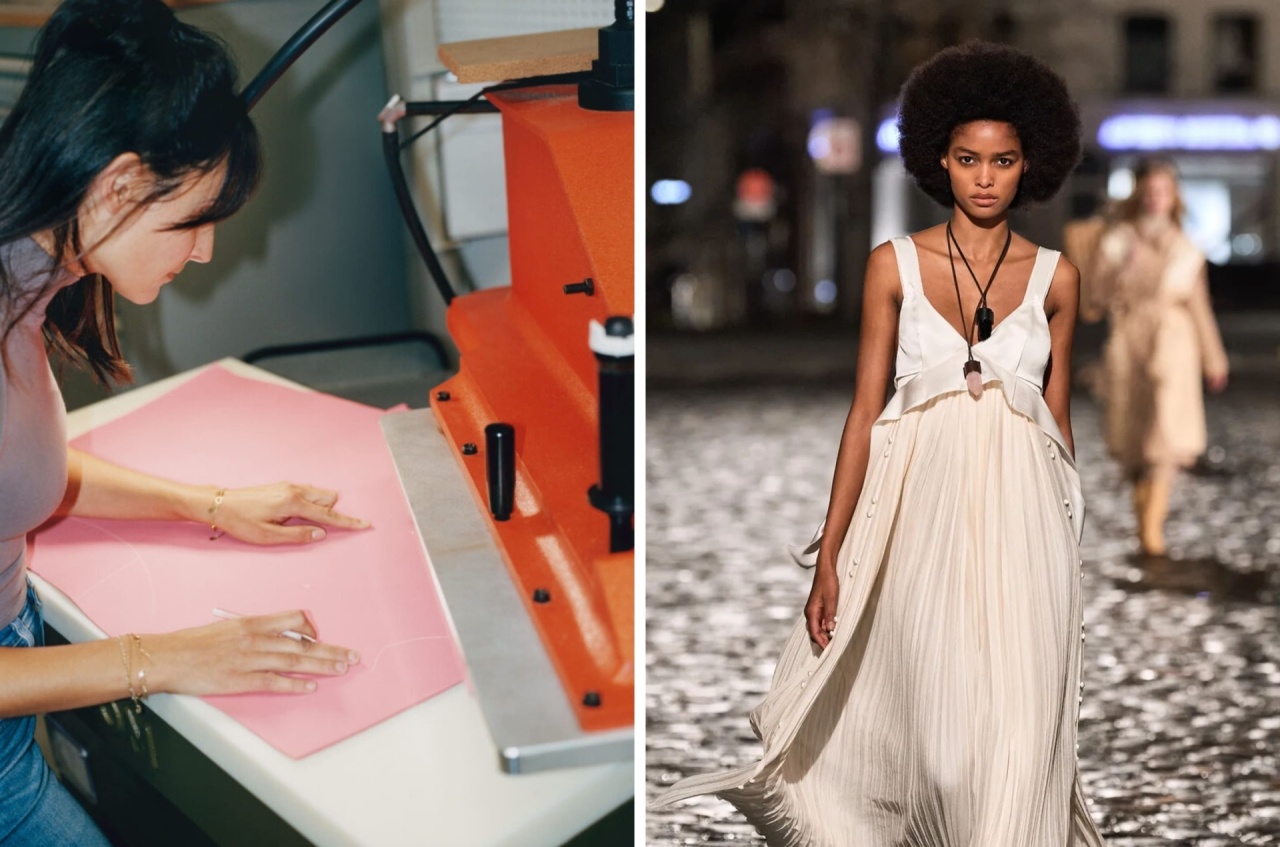
Hermès reinforces the centrality of the human through the expansion of its École des savoir-faire, training artisan apprentices to preserve exceptional manual skills. The Chloé Academy balances digital mastery with the ability to deliver empathetic service.
How to play:
- Train teams in hospitality, listening and improvisation
- Create “human-first” zones in hybrid stores
- Measure emotional impact, not just efficiency
At leDehors, we turn these trends into active strategies, helping brands reinvent their presence by combining data intelligence with the irreplaceable depth of human gesture — creating a form of retail that is, above all, a space for culture and connection.
>>> There’s more beneath the surface. Want the full report?
Subscribe to leDehors insights.

Negli anni ’20 ci siamo abituati ad adattarci. Il 2024 è l’anno in cui riprendere in mano la situaz... altro
Temporary Retail as a Power Move
“Nothing is created, nothing is destroyed, everything is transformed.”
Does it ring a bell? It’... altro
In contemporary retail, efficiency has become a dogma. Fluid processes, fast payments, optimized journeys, immediate a... altro
In our work, there has always been a fertile tension between intuition and structure, between surprise and design, bet... altro
By visiting the site you implicitly accept the use of cookies to improve navigation and show content in line with your preferences. View the privacy and cookie policy




 https://ledehors.com/news/96-retail_trends_2026%3A_reinventing_shopping