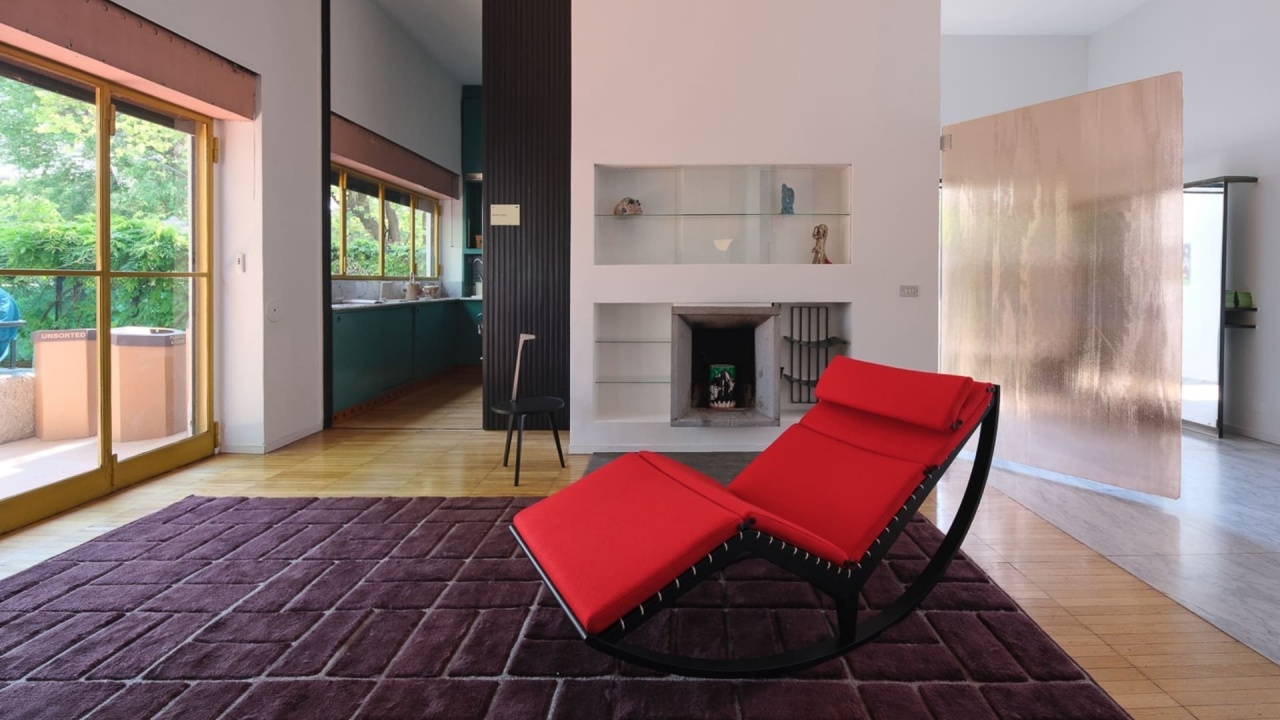
Every year, we go to Fuorisalone with one question: what is changing in the way people assign value to things? This year, the answer was clear. Design was no longer primarily about form, aesthetics, or even “experience”—a word we have all used as a catch-all for years. It was about how meaning is constructed around an object, a material, a choice.
For those working in and with retail, as we do at leDehors, this is not a weak signal. The store is no longer a point of sale (we knew that). It is no longer just an experiential space (we said that). It is becoming something else: a place where value is constructed together with the customer—made legible, made credible.
We identified three concrete directions emerging from Fuorisalone—paths to choose and commit to. Walk the talk.
1. Process has moved out of the backstage.
Several installations this year made a simple, radical shift: moving the focus from the finished product to everything that comes before it. Materials, production, suppliers, waste, decisions. The “how it is made” became the main narrative.
For us, the message was clear: the store can become the place where people understand how value is created—not just where they find it displayed on a shelf. This is not storytelling as a cosmetic layer. It is about making visible and tangible the logics behind a product: where the material comes from, who transforms it, why that process was chosen over another.
Why now?
Because we are living in a paradox: production has never been easier or faster, yet perceived value has never been more fragile. Speed has flattened differences. Artificial intelligence multiplies outputs while increasing the distance from origin. And people—more aware than ever of the impact of what they buy—no longer accept opacity.
Process becomes proof of authenticity in a world where everything can be replicated. And retail is the first place where that proof can be made tangible.
Where we encountered this trend at Fuorisalone 2026:
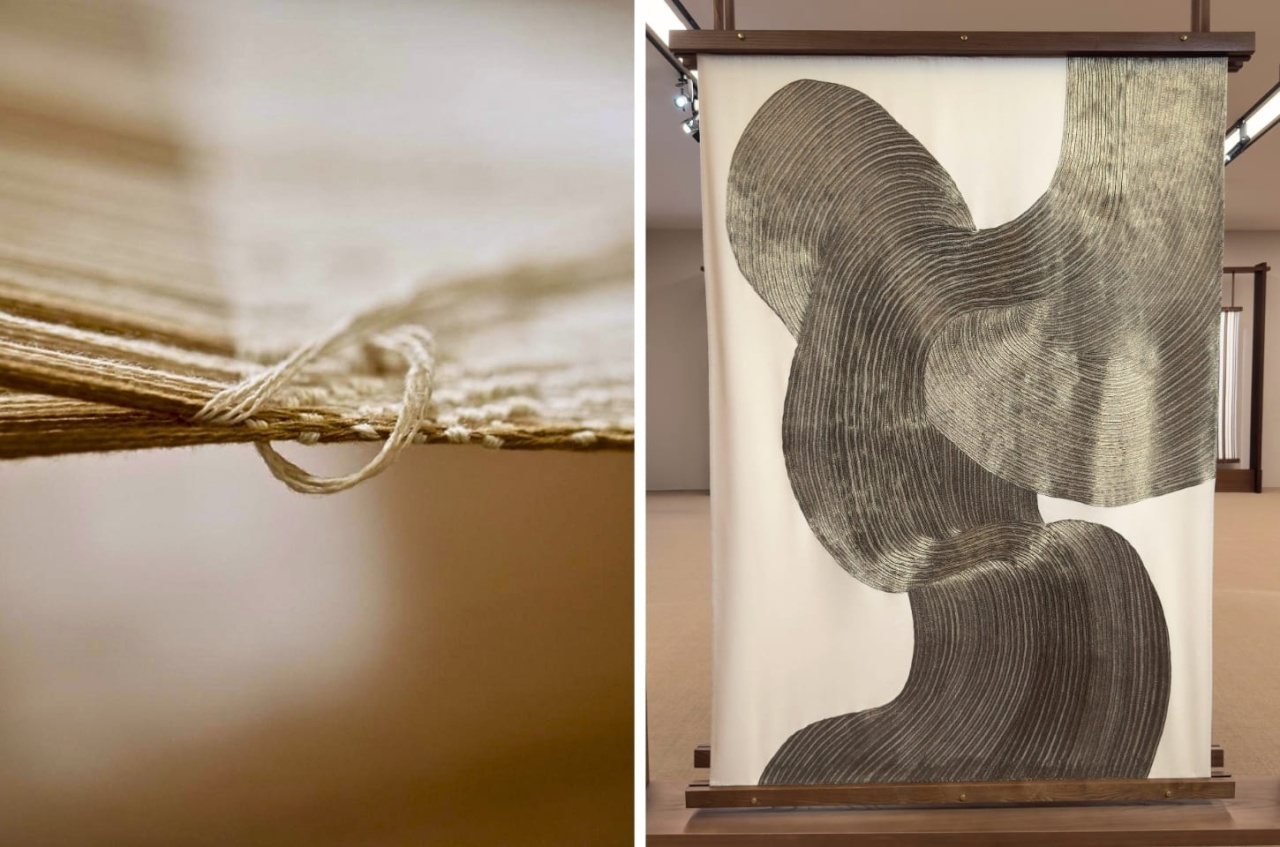
Loro Piana — Studies, Chapter I:
On Plaid. The production journey of the 23 plaids made visible: raw material, transformation, selection. The product as a document of its own making.
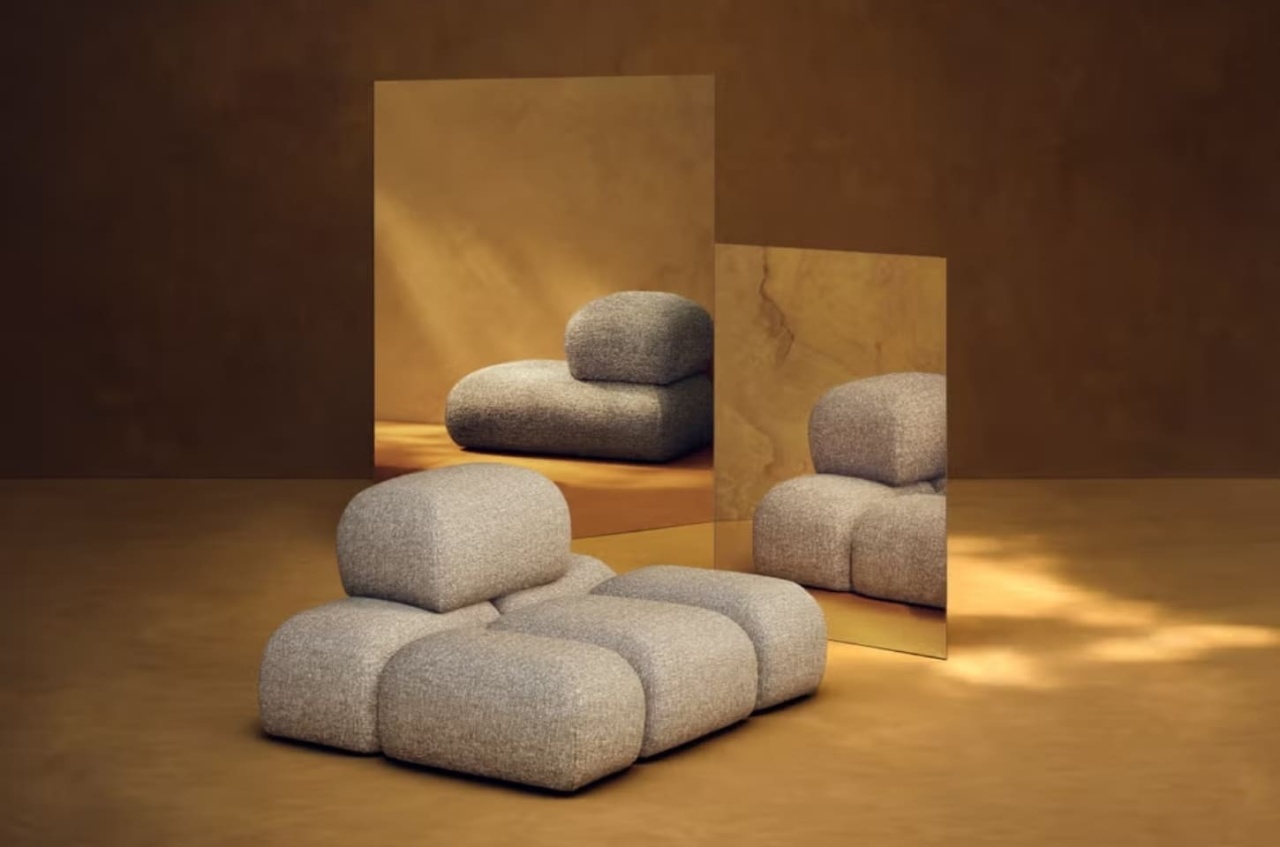
Kelly Wearstler for H&M Home
Democratization and modular logics brought to the forefront: material language at the center, and the way objects are conceived to accompany everyday gestures.
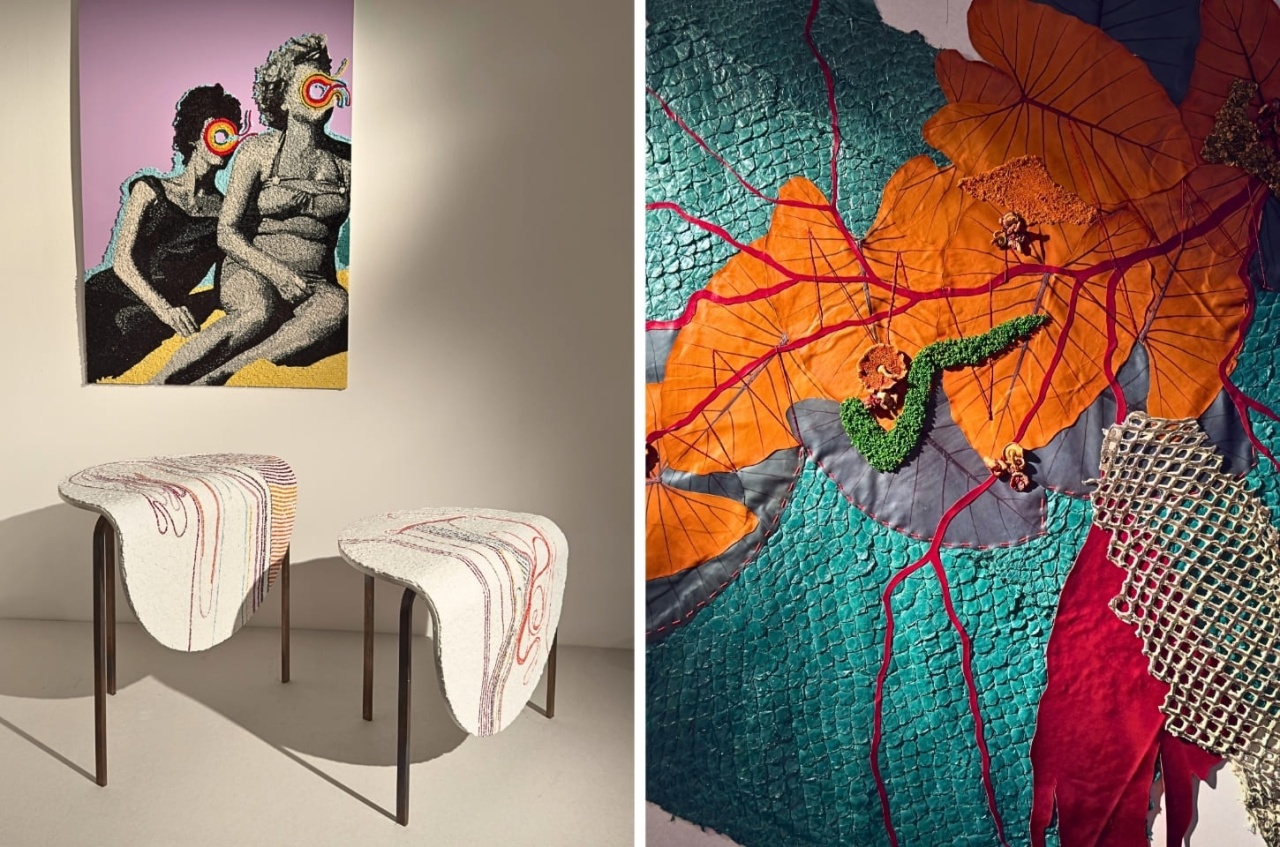
ia - Inteligência Artesanal by Tropicalistic and Neia Paz
A visual investigation into the relationship between human, material, and creative gesture. Brazilian design framed process as a form of ancestral knowledge, experimentation, and expression.
2. The store as a time editor
Enough with the cult of novelty. At Fuorisalone 2026, one thing was clear: the most compelling brands build value through temporal depth. They position their products within an ongoing narrative—not as isolated launches to be replaced the following season.
For retail, this marks a shift. The store stops being a showcase for the “new” and becomes a space that makes visible what endures over time: how an idea evolves, how a material is reinterpreted, how an identity remains coherent while transforming. The ability to curate the relationship between archive, present, and future—without nostalgia—becomes a form of conscious continuity.
Why now?
Because overproduction has emptied the “new” of its symbolic value. Because uncertainty creates the need for anchors. And because heritage—when treated as a living resource rather than a museum—becomes one of the most powerful tools of legitimacy a brand can activate.
Where we encountered this trend at Fuorisalone 2026:
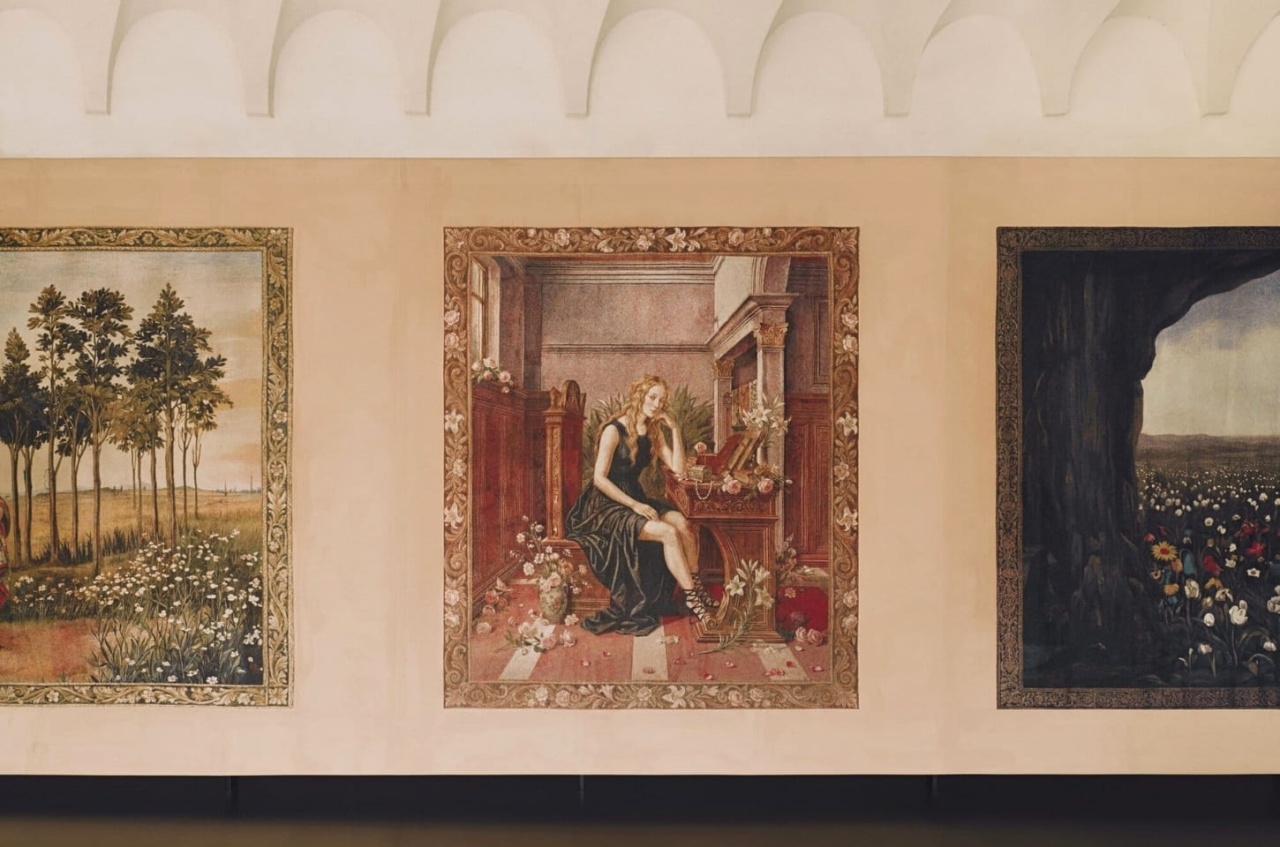
Gucci — Memoria
Retail as a device for layering time. The archive was not a celebration of the past, but a tool to reinterpret the present.
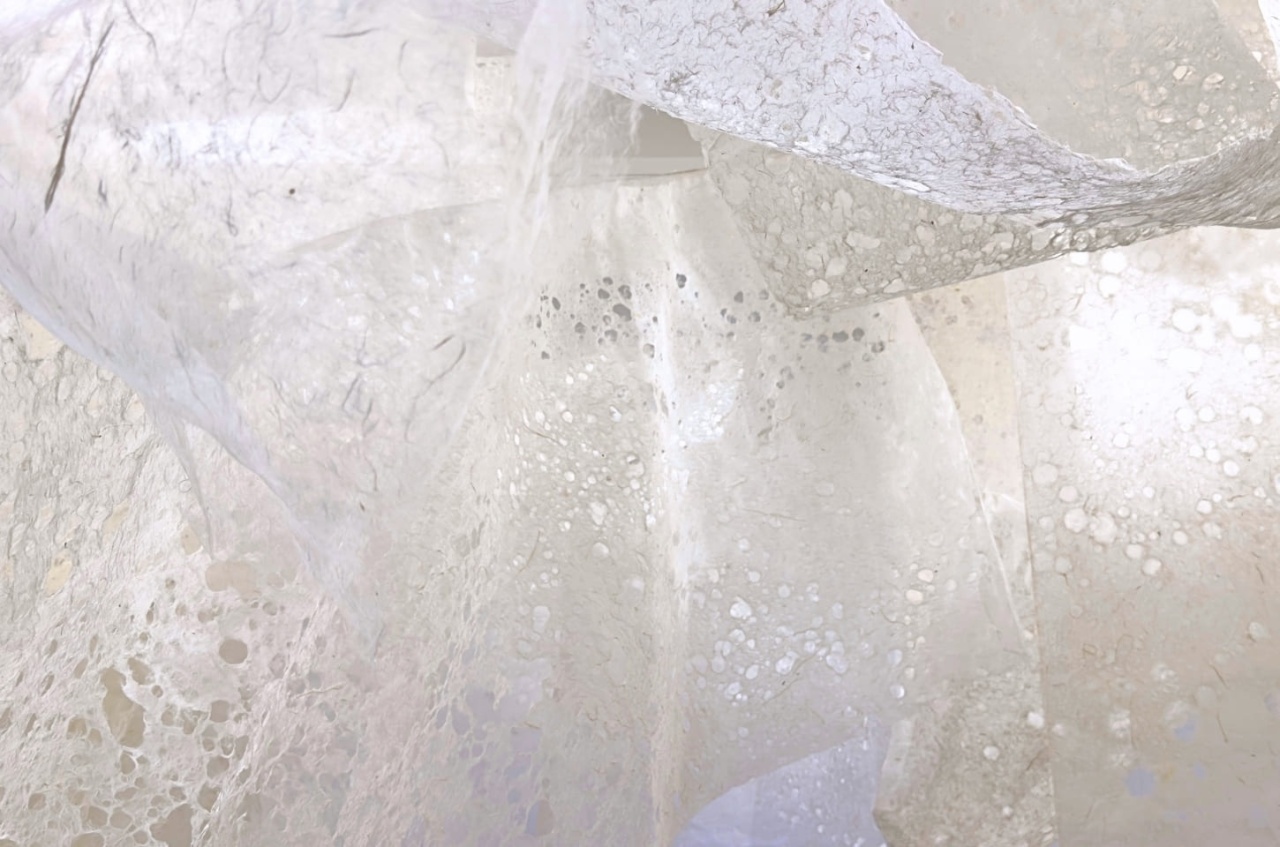
Grand Seiko — The Nature of Time
Time as an experiential and philosophical construct: not a metric, but a sensory material to work with.
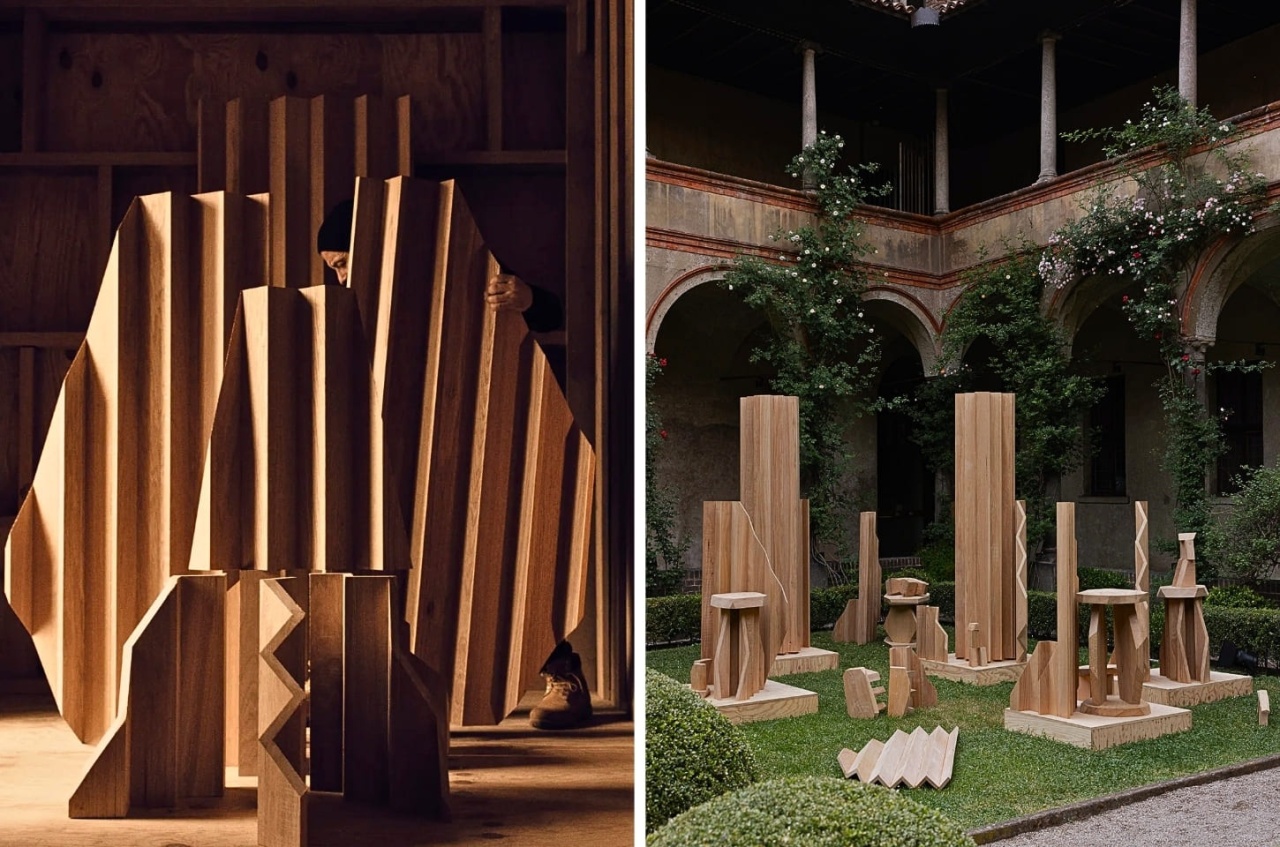
Byredo — In Conversation
A device that makes time visible: memory, material, and gesture come together in a progressive narrative construction, where value emerges through layering and transformation over time.
3. The store as a space for orientation
The third direction was perhaps the most ambitious. An increasing number of activations at Fuorisalone 2026 did not display products—they contributed to the discourse. Installations, talks, hybrid formats between research and dissemination. Brands acting as cultural interlocutors, not just sellers.
For retail, the translation is direct: the store can become the place where people find context and interpretative keys to navigate complexity—technological, material, social. The product remains, but it recedes behind the vision that sustains it.
Why now?
Because today the issue is no longer access to information—that is everywhere. The issue is interpretation. People are overwhelmed by data and starved of meaning. And the institutions that traditionally provided that meaning—schools, media, cultural institutions—have lost ground.
Today, those who buy are not simply choosing a product. They are choosing a way of reading the world. And the store becomes the place where that alignment takes shape.
Where we encountered this trend at Fuorisalone 2026:
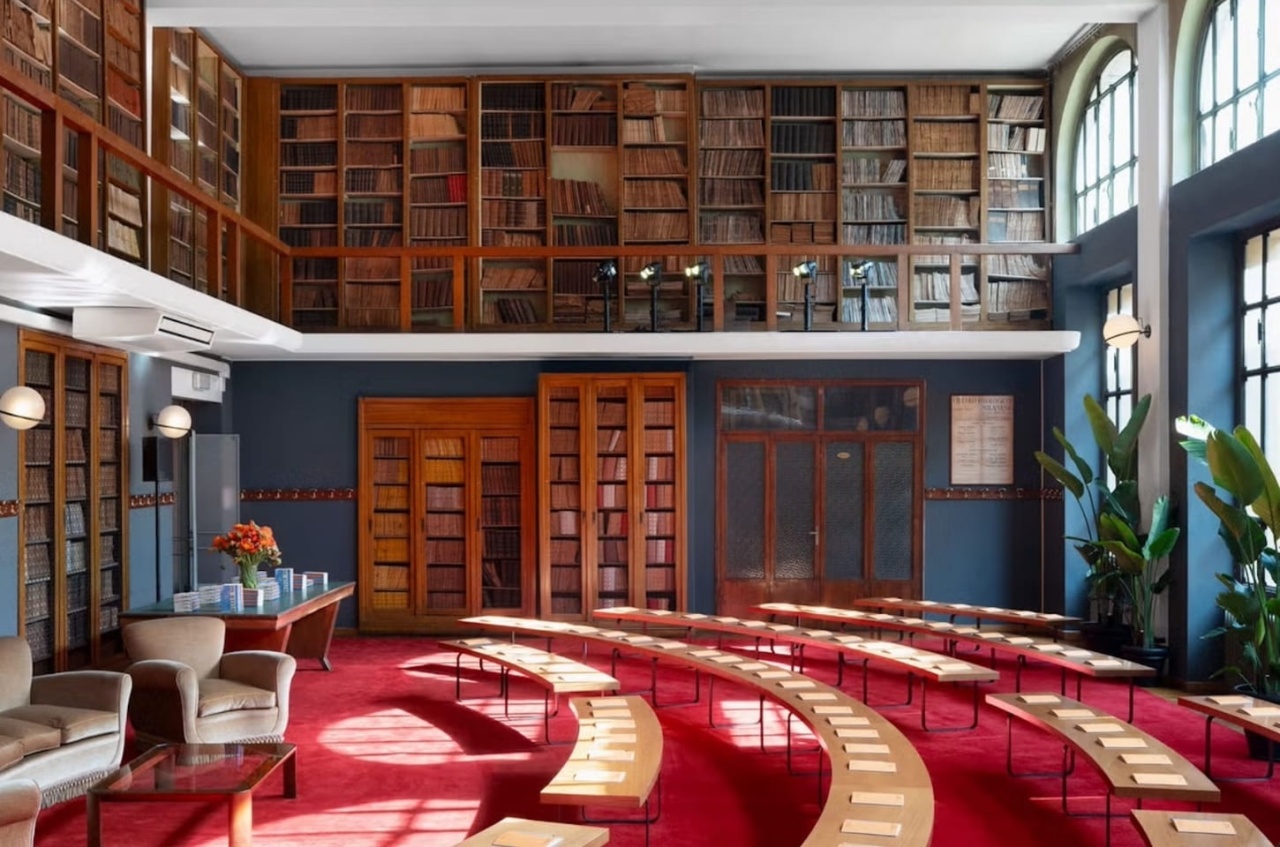
Miu Miu — Literary Club 2026
Retail as a platform for knowledge in the most literal sense: the brand constructs an intellectual context for dialogue and critical reflection.
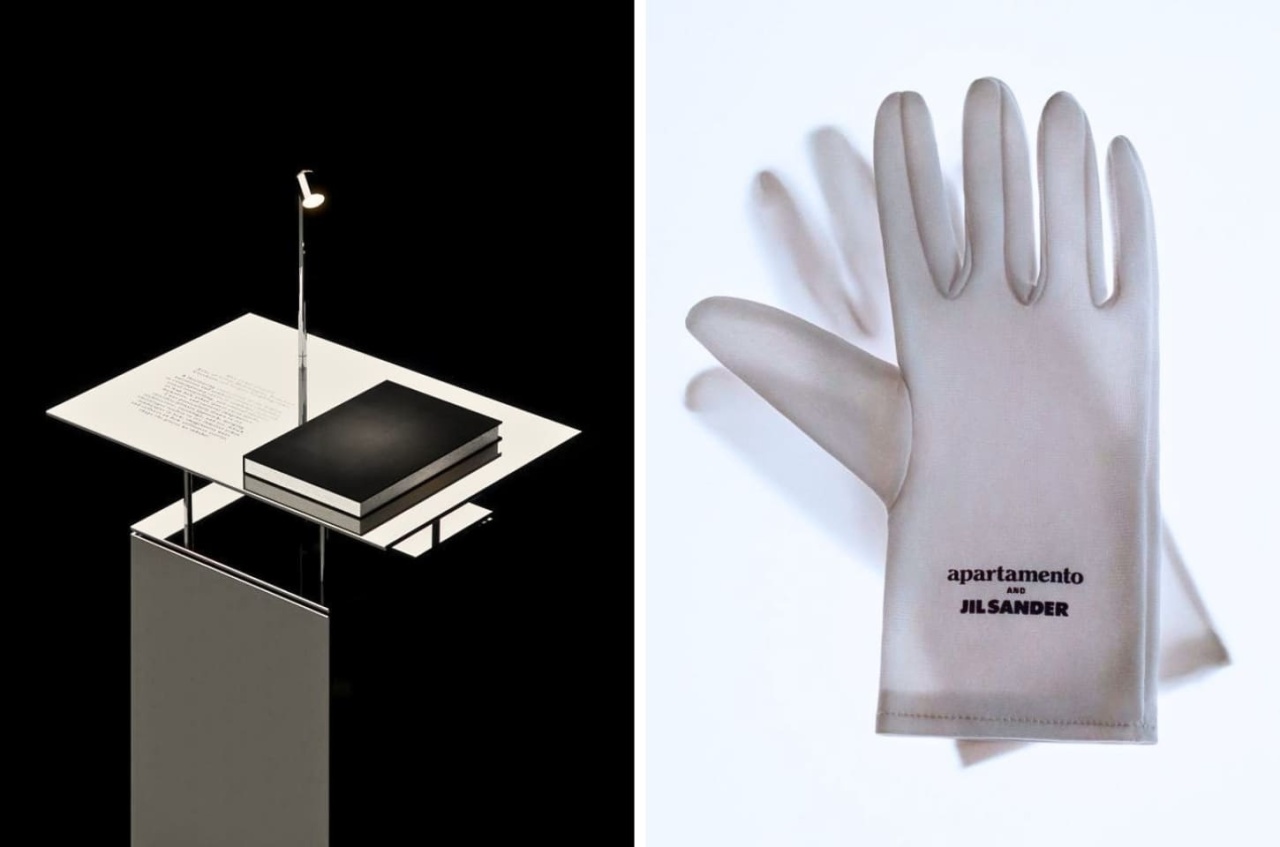
Jil Sander — Reference Library
A library room celebrating the book, featuring sixty international titles selected by writers, designers, artists, architects, filmmakers, and creatives.
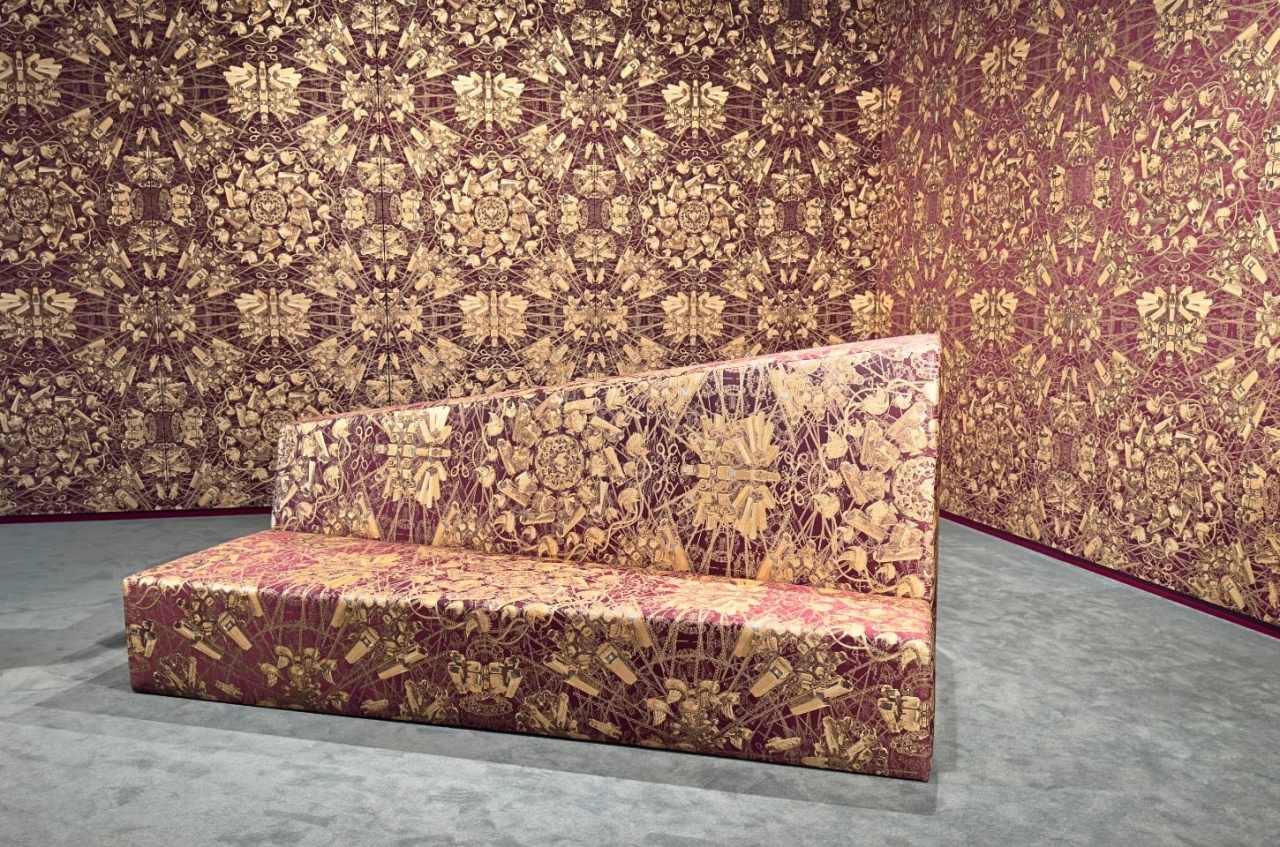
Rubelli — Ai Weiwei: About Silk
The textile company Rubelli collaborated with the Chinese artist and activist on a site-specific project that brings together the millenary knowledge of silk with a political reflection.
Process, time, orientation: these are the three directions that emerged clearly for us at Fuorisalone 2026. Not as abstract theses, but as practices already in motion. Signals of a retail landscape that is beginning to make visible how value is constructed, layered, and interpreted—together with those who move through it.
_____________________________________
>>> Want our insights delivered straight to your inbox?
Subscribe to the leDehors NEWSLETTER

Fuorisalone 2025: the new retail codes
Emotion, experience, evolution: retail becomes a sensory ritual. In the living fabric of Milan, Fuorisalone 2025 deliv... altro
Tra le tante piattaforme che usano l’intelligenza artificiale per rendere più facili e veloci progettazio... altro
Ricordi Minority Report, il film di Steven Spielberg tratto da un racconto di Philip Dick? Un poliziesco di fantascien... altro
In contemporary retail, efficiency has become a dogma. Fluid processes, fast payments, optimized journeys, immediate a... altro
By visiting the site you implicitly accept the use of cookies to improve navigation and show content in line with your preferences. View the privacy and cookie policy




 https://ledehors.com/news/98-what%26rsquo%3Bs_really_changing_%26mdash%3B_insights_from_fuorisalone_2026